
Μακροζωία για όλους
Σας βοηθάμε να παραμείνετε νέοι και υγιείς επιβραδύνοντας τη γήρανση.
Επιστημονικά τεκμηριωμένη προσέγγιση μακροζωίας, εμπνευσμένη από ανθρώπους που κατάφεραν να νικήσουν τον χρόνο.
Εξατομικευμένη προσέγγιση
για μακροχρόνια υγεία
Νιώστε και δείξτε υπέροχα
Ζήστε με ενέργεια, κίνηση και ποιότητα ζωής για όσο το δυνατόν περισσότερα χρόνια.
Προλάβετε τις ασθένειες
Αποφύγετε παθήσεις που σχετίζονται με την ηλικία και υποστηρίξτε τη μακροβιότητα και την ευεξία σας.
Βελτιώστε τις επιδόσεις σας
Ανακαλύψτε αν οι επιλογές σας σήμερα ενισχύουν την αντοχή και τη διαύγεια στην εργασιακή ή αθλητική σας καθημερινότητα.
Μια απλή διαδικασία προσαρμοσμένη στις ανάγκες σας
Ολοκληρώστε την αξιολόγησή σας
Εξασφαλίζουμε τα απαιτούμενα δεδομένα μέσω λεπτομερούς αξιολόγησης για ακριβή ανάλυση και διαμόρφωση τεκμηριωμένων συστάσεων.
Πλάνο Μακροζωίας
Μετατρέπουμε τα αποτελέσματά σας σε ένα λεπτομερές προφίλ, το οποίο θα αναλύσετε σε βάθος με την επιστημονική μας ομάδα μετά την επίσκεψή σας.
Ένα διαλειτουργικό οικοσύστημα
Παραδίδουμε ένα ενιαίο σύστημα σχεδιασμένο να εξαλείφει την αβεβαιότητα, συνδέοντας τη γνώση με την πράξη μέσα από μια δυναμική στρατηγική που προσαρμόζεται καθώς το σώμα, οι στόχοι και η ζωή σας αλλάζουν.
Το πιο ολοκληρωμένο
Blueprint Μακροζωίας
Στο ΒioHack Project, πιστεύουμε ότι η υγιής γήρανση δεν είναι θέμα τύχης, αλλά θέμα στρατηγικής. Σας καθοδηγούμε με ένα ολιστικό σύστημα, βασισμένο στους 8 πυλώνες μακροζωίας, με σκοπό να επιβραδύνουμε τη γήρανση και να προστατέψουμε τον οργανισμό σας από χρόνιες παθήσεις.
Μεταβολική Υγεία
Μεταβολική αναβάθμιση πέρα από την απώλεια βάρους, με έμφαση στη σύσταση σώματος, τη μείωση σπλαχνικού λίπους και τη μεταβολική ευελιξία.

Ήπια Χρόνια Φλεγμονή
Μείωση σιωπηλής φλεγμονής και περιορισμός του κινδύνου εμφάνισης χρόνιων παθήσεων.

Ισχυρό Ανοσοποιητικό Σύστημα
Αξιολόγηση της λειτουργικής κατάστασης του ανοσοποιητικού και ενδυνάμωση της άμυνας του οργανισμού.
Ικανότητα Μεθυλίωσης
Ανάλυση της γονιδιακής έκφρασης και των μηχανισμών που ρυθμίζουν τη λειτουργία των γονιδίων.
Υγιές Μικροβίωμα
Υποστήριξη της εντερικής χλωρίδας για βελτιωμένη πέψη, μείωση φλεγμονής και ισορροπημένη ανοσολογική λειτουργία.
Γνωστική Λειτουργία
Αξιολόγηση νοητικών διεργασιών και προσαρμοσμένες στρατηγικές για ενίσχυση πνευματικής καθαρότητας, απόδοσης και εστίασης.
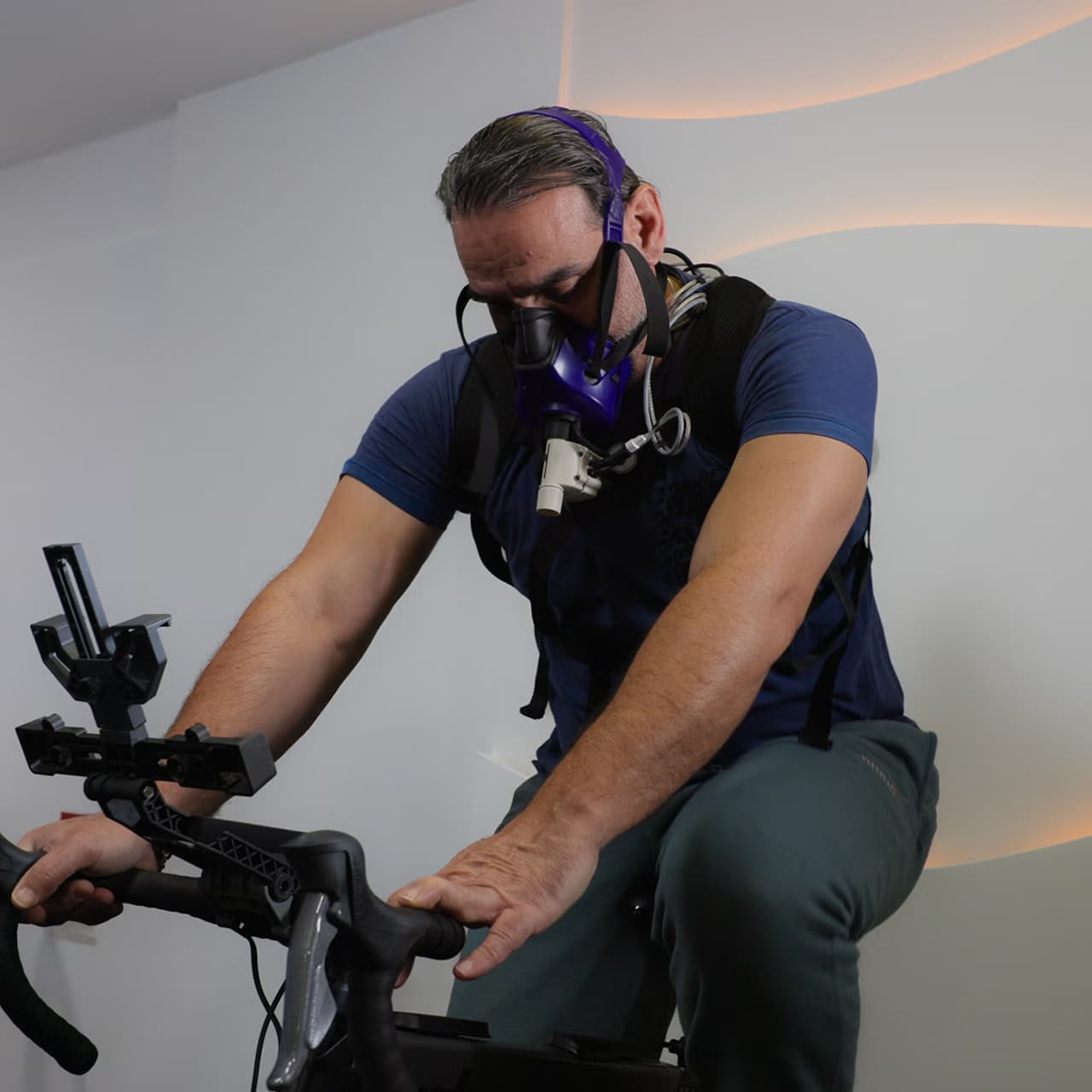
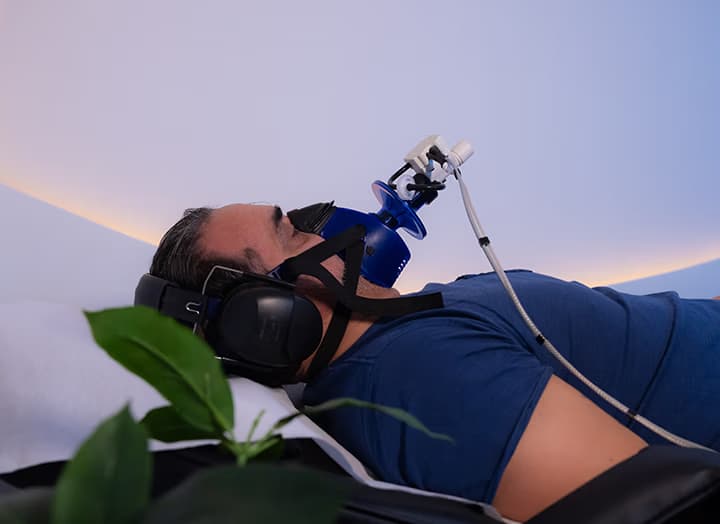
Καρδιοαναπνευστική Ικανότητα
Αποτύπωση της λειτουργίας πνευμόνων, καρδιάς, κυκλοφορικού και κυτταρικής απόδοσης μέσω της VO₂max, ενός από τους πιο αξιόπιστους δείκτες μακροζωίας.
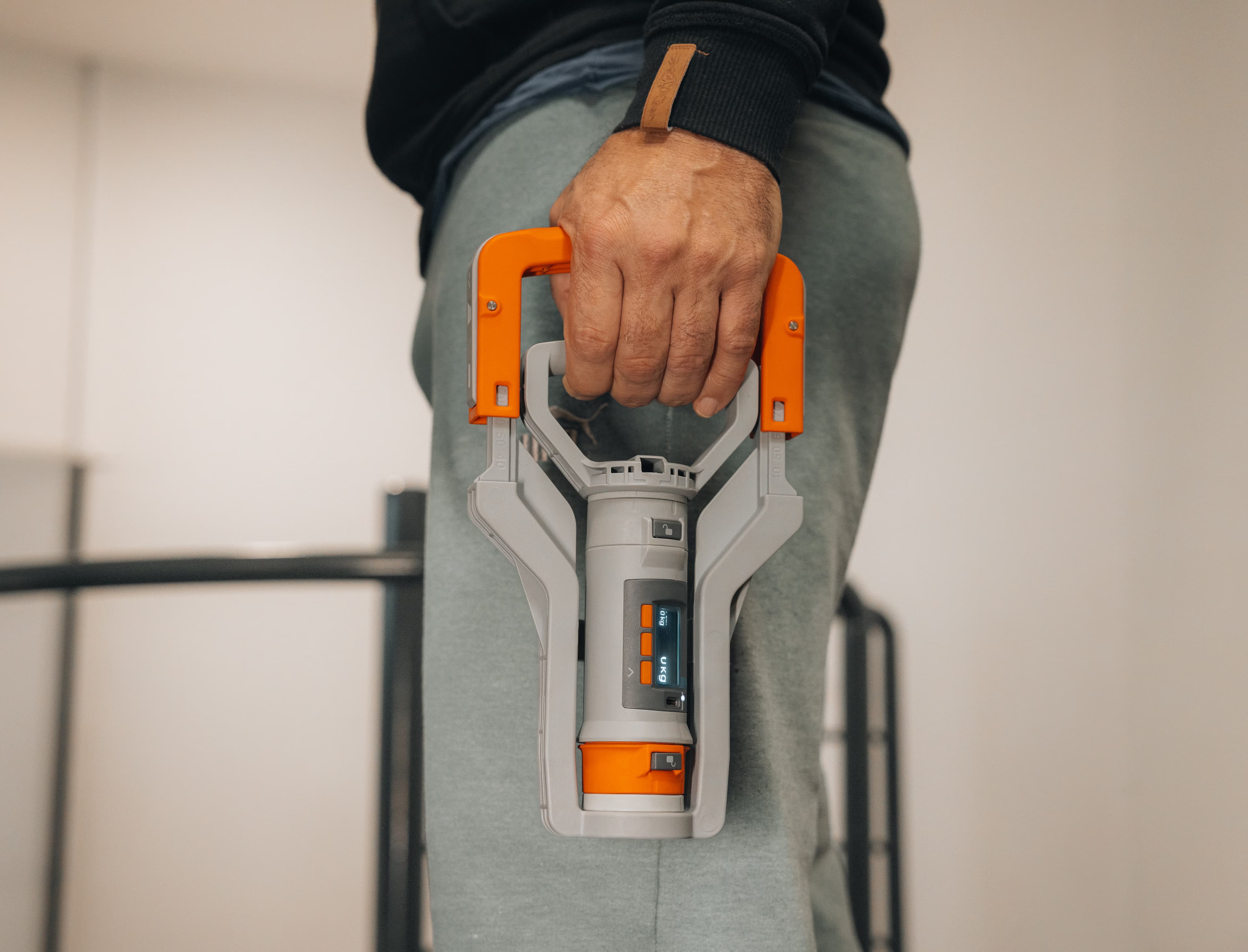
Υγιές Μυοσκελετικό Σύστημα
Ενίσχυση μυϊκής μάζας, οστικής πυκνότητας και κινητικότητας για μακροχρόνια λειτουργικότητα.
Ας μιλήσουμε για τη μακροζωία σας
Το πρώτο βήμα για να κατανοήσετε την υγεία σας δεν απαιτεί δέσμευση, αλλά μόνο περιέργεια. Η ομάδα μας είναι στη διάθεσή σας για να απαντήσει στις ερωτήσεις σας, να σας εξηγήσει τις επιλογές μας για μακροζωία και να σας βοηθήσει να επιλέξετε την προσέγγιση που ταιριάζει καλύτερα στους στόχους και τον τρόπο ζωής σας.
ΕΛΑΤΕ ΜΑΖΙ ΜΑΣ
Ζήστε πιο υγιείς, για περισσότερο
Μια ολιστική προσέγγιση στη μακροχρόνια υγεία, σχεδιασμένη γύρω από εσάς.
Ξεκινήστε Σήμερα